 VN
VN EN
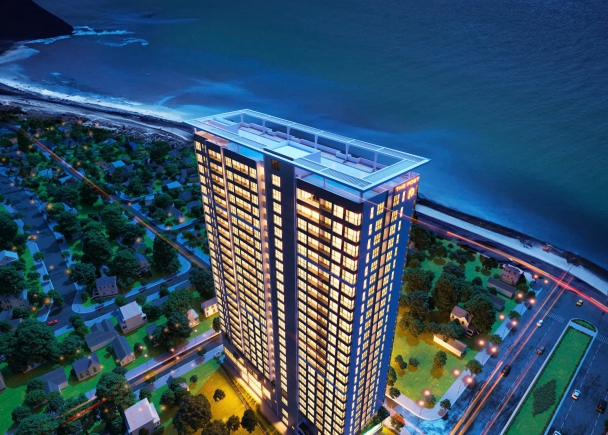
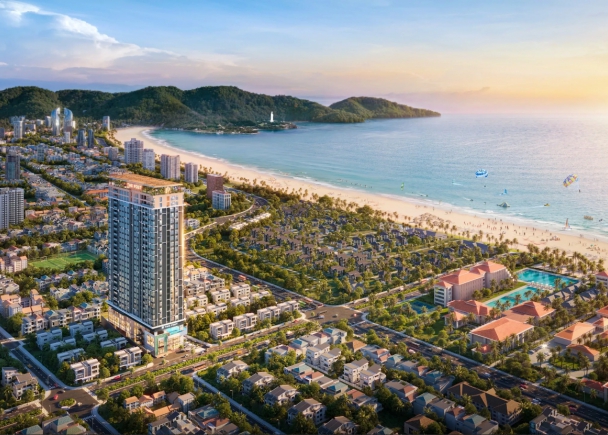
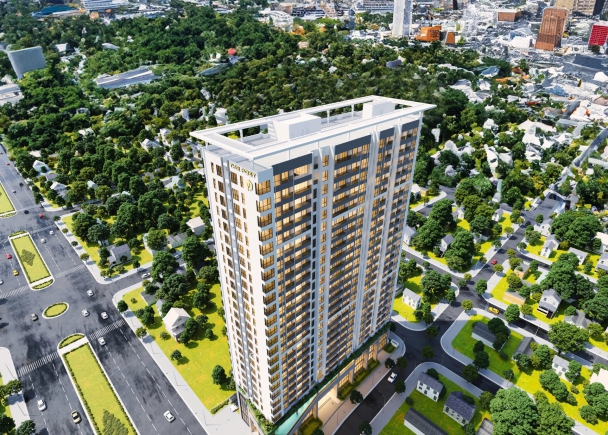
ENThe Poet Residence - A Luxury Apartment Project Adjacent to "The Most Alluring Beach in the World"
See more
Under the proposed adjustment, the Government plans to add an 8.4-kilometer section between Yen Vien and Gia Lam while relocating the northern passenger hub station from Yen Vien to Gia Lam. This change is intended to align with the Hanoi Capital Master Plan with a 100-year vision and the recently adjusted national railway network plan.
The additional section will enhance connectivity between the national railway network and Hanoi’s urban railway system, improve passenger accessibility, and support the redevelopment of the Gia Lam station area under the Transit-Oriented Development (TOD) model.
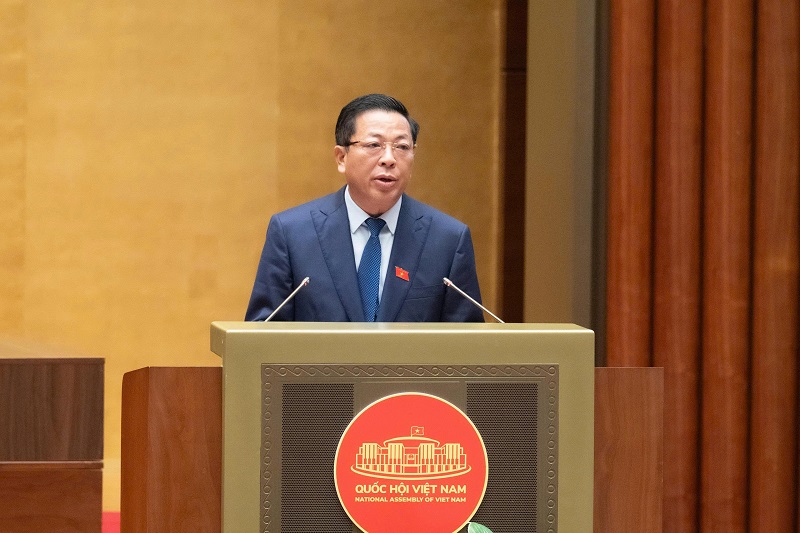
Minister of Construction Tran Hong Minh presents the Government's proposal. Photo: National Assembly Portal.
According to Minister Tran Hong Minh, the section from South Hai Phong to Lach Huyen will be reclassified from a main line to a branch line in accordance with the updated national railway network plan and the proposed transportation operation strategy.
The proposal also includes two branch lines connecting the existing railway system to stations along the Lao Cai – Hanoi – Hai Phong railway. In addition, the section from Bac Hong Station to South Hai Phong Station will be upgraded from a phased single-track investment to a fully completed double-track system. Updated forecasts indicate that by 2045 the line would require double-track operation, with construction needing to begin by 2041 and preparatory procedures commencing as early as 2038.
The project also adjusts the traction system for branch lines serving seaports. To maximize project efficiency, the Government proposes using diesel locomotives already approved under the existing investment policy instead of electric traction. The branch lines are expected to transition to clean-energy locomotives by 2045.
The preliminary total investment after adjustment is estimated at VND 289 trillion, an increase of more than VND 86 trillion compared with the amount previously approved by the National Assembly.
Presenting the appraisal report on behalf of the reviewing agency, Chairman of the National Assembly’s Committee for Economic and Financial Affairs Phan Van Mai stated that the Lao Cai – Hanoi – Hai Phong railway is a nationally important project approved under Resolution No. 187/2025/QH15.
However, during the preparation of the feasibility study, several new factors emerged that affected the project, particularly in terms of topography, geology, planning, transportation demand, and connections with the national railway network, seaports, and logistics infrastructure. Consequently, the Government proposed adjustments to the project’s scope, scale, technology, preliminary investment capital, and several other components.
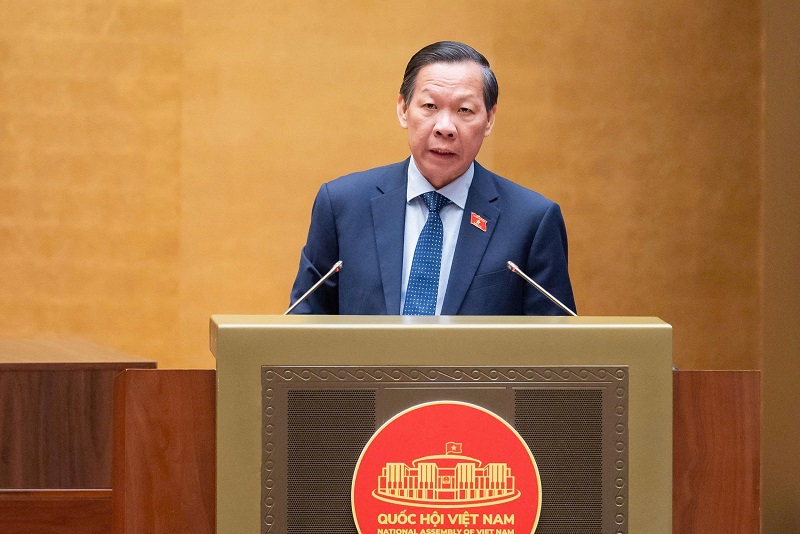
Phan Van Mai, Chairman of the National Assembly’s Committee for Economic and Financial Affairs. Photo: National Assembly Portal.
The Committee requested the Government to continue reviewing all documents carefully to ensure consistency between submitted materials, particularly between the proposal and the draft resolution, and to take full responsibility for the completeness, accuracy, and reliability of the submitted dossier.
It also recommended further refinement of survey data, technical solutions, technologies, investment estimates, funding sources, land-use requirements, and implementation conditions to improve project feasibility and minimize the need for future adjustments.
According to the Committee, completing the double-track railway during the 2026–2030 period would significantly increase both the project's total investment and public investment capital requirements, while many other nationally important projects will also require substantial resources during the same period.
Therefore, the Committee urged the Government to reassess the project's impact on the availability of public investment resources, providing the National Assembly with a sound basis for selecting the most appropriate investment option and ensuring efficient use of state resources.
Regarding the adjustment of traction systems for both the main line and branch lines, the Committee recommended further refining the roadmap for transitioning diesel-powered branch lines to clean-energy locomotives, ensuring consistency with Vietnam’s commitment to achieving net-zero emissions by 2050.
Regarding the preliminary total investment, the Committee noted that the adjusted investment estimate represents a substantial increase over the amount previously approved by the National Assembly. It therefore requested the Government to review and compare investment costs, cost structures, and total investment levels with similar railway projects in the region and internationally to provide a clearer basis for determining the project's investment requirements.
The Committee also observed that the increased investment would substantially raise public investment funding needs and financing obligations during the 2026–2030 period.
Accordingly, to ensure the project remains on schedule, the Government was advised to develop a funding plan consistent with the State budget’s capacity and the medium-term public investment plan, carefully manage foreign borrowing and its utilization, safeguard public debt sustainability, and avoid affecting funding for other nationally important programs and projects.
The Committee further recommended reviewing the overall project schedule based on updated implementation conditions, clearly defining key milestones for investment preparation, land clearance, capital allocation, implementation of component projects, and construction activities.
In addition, the Government should continue refining transport demand forecasts, update indicators measuring socio-economic and financial efficiency following the investment adjustment, clearly assess capital recovery potential, loan repayment plans, operational efficiency of each branch line, and cost management measures to ensure the project's long-term effectiveness.
Dieu Trang
Source: thanhnienviet.vn
```
 06/08/2026