 VN
 EN
The Poet Residence - A Luxury Apartment Project Adjacent to "The Most Alluring Beach in the World"
See more
DNCT - In the first eight months of 2026, tourism continued to affirm its role as one of the key growth drivers of Da Nang’s economy.
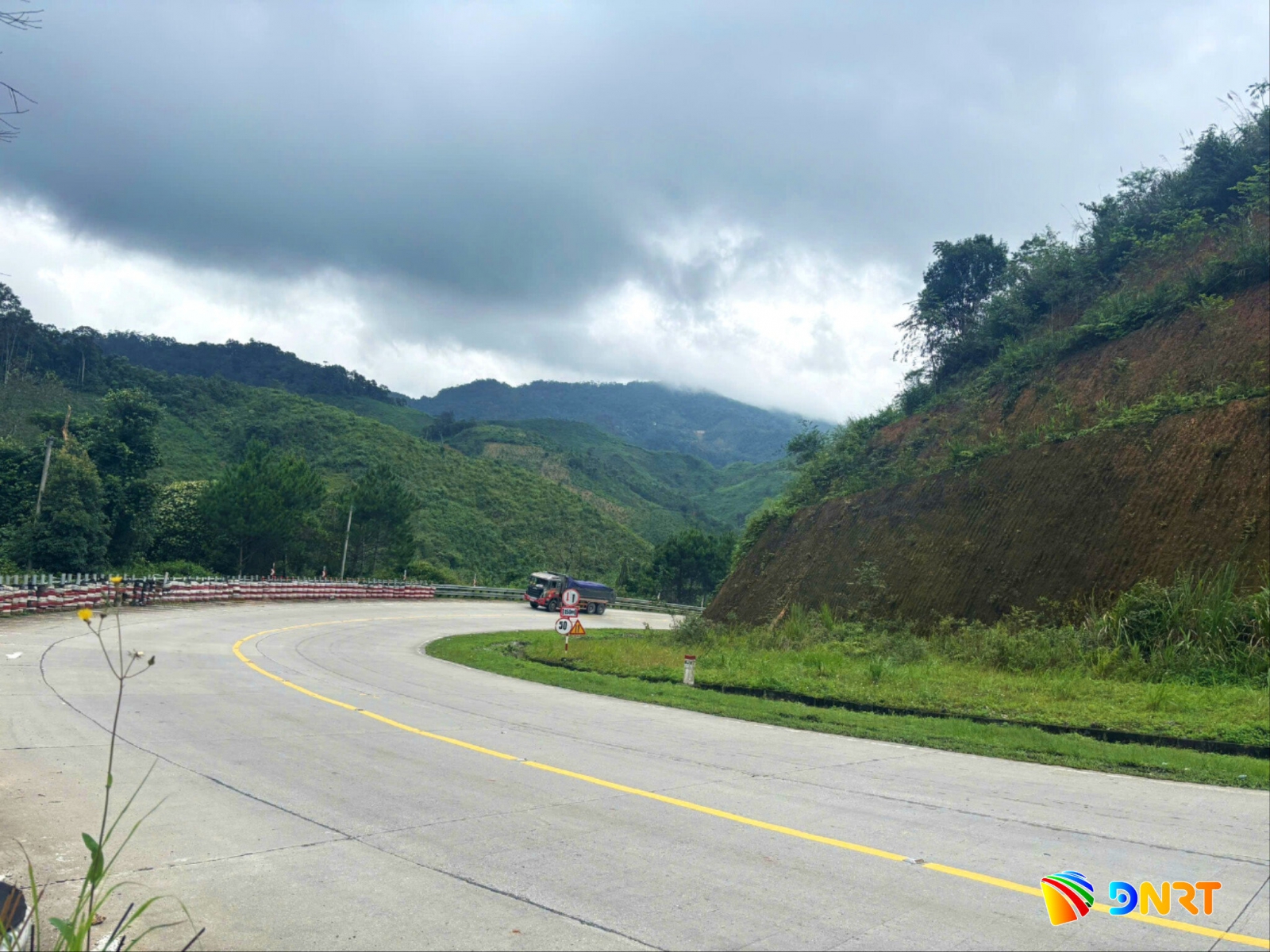
Ho Chi Minh Highway, an essential transport artery connecting to the city’s western tourism region. Photo: Minh Son
Looking at the overall picture, tourism activities across the city remain largely concentrated in the central, coastal, and eastern districts. Meanwhile, the mountainous western region—blessed with pristine forest ecosystems, rivers, streams, and waterfalls, alongside the rich cultural heritage of ethnic minority communities—remains underdeveloped relative to its immense potential.
Da Nang enjoys a unique advantage in developing a diverse tourism ecosystem that few other destinations can match. The western region encompasses 37 communes home to approximately 164,000 ethnic minority inhabitants. This area preserves a wealth of distinctive cultural values from the Co Tu, Gie Trieng, Cor, Ca Dong, Xo Dang, and Co ethnic groups, showcased through traditional festivals, gong performance arts, Guol communal house architecture, brocade weaving, rattan and bamboo basketry, wood carving, indigenous cuisine, and a treasure trove of traditional knowledge regarding forests and medicinal herbs...
Despite these significant advantages, mountainous tourism development remains relatively slow. In practice, promotional efforts in recent years have focused primarily on Ngoc Linh ginseng and select OCOP (One Commune One Product) items, while many cultural assets have yet to be converted into compelling tourism offerings. Community-based tourism models remain mostly spontaneous and small-scale. Local residents predominantly offer isolated services such as food, souvenirs, or home accommodation, with limited integration into the broader tourism value chain—from product design and experience curated to marketing and local produce sales…
Infrastructure stands out as one of the most critical bottlenecks. Several access roads to tourist destinations remain narrow and degraded, including National Highways 14B, 14D, and 14G, key East-West corridor linkages, and inter-communal routes. Electricity, water, telecommunications, and digital infrastructure in certain localities fall short of requirements. Furthermore, many destinations lack basic amenities such as parking lots, signage, public restrooms, visitor information centers, and standardized accommodation facilities.
Another drawback is the lack of differentiation among local offerings. Many areas showcase similar themes centered on Guol houses, gong performances, traditional textiles, or native cuisine without weaving a unique narrative. Consequently, travelers lack the incentive to deeply immerse themselves in the local heritage or extend their stay.
In addition, local human resources for community-based tourism face limitations in management skills, foreign languages, marketing, and digital tool adoption. The city has also yet to establish a unified brand identity for mountainous cultural tourism, leading to fragmented marketing campaigns.
To awaken the tourism potential of the western highlands, the city must first establish a comprehensive strategy for cultural and community-based tourism development, aligned with Da Nang’s master tourism plan. On this foundation, clear conservation zones, key tourism clusters, routes, and signature offerings should be designated to prevent scattered, inefficient investments.
Alongside planning, priority must be given to synchronized infrastructure development across transport, power, water, telecommunications, and digital connectivity, creating seamless routes between the city center and the western eco-cultural zones. Infrastructure expansion must harmoniously align with environmental conservation principles, minimizing impacts on forest ecosystems.
Substantial support policies are needed to restore and preserve cultural traditions, such as the New Rice Celebration of the Ca Dong and Ta Rieng peoples, or the traditional brocade weaving and bamboo basketry of the Co Tu and Bhnoong communities. Concurrently, traditional festivals should be maintained regularly, accompanied by seasonal cultural and sports events in the highland areas, laying the groundwork for culturally rich products that attract visitors year-round.
Furthermore, distinct eco-tourism and cultural products rooted in the mountainous landscape should be developed, spanning medicinal herbs, eco-agriculture, craft villages, local gastronomy, and community living. Each locality needs a distinct identity to avoid thematic overlap. For instance, Hung Son and Tay Giang can leverage their ancient Phoebe tau (Pơ mu) forests and Co Tu culture; Nam Tra My can focus on Ngoc Linh ginseng and herbal remedies; Dong Giang can showcase its cave and waterfall systems; while Tien Phuoc can promote ancient village and garden estate tourism...
Crucially, a unified approach to community-based tourism must position local residents as both the primary stewards and the direct beneficiaries of tourism and hospitality activities. Rather than merely offering standalone services, residents should receive support in accessing capital, training in management skills, foreign languages, digital transformation, product creation, and market connectivity. This empowers them to directly manage homestays, serve as local guides, host experiential activities, and commercialize OCOP products...
Additionally, stronger synergy among local authorities, travel enterprises, and local communities is essential to build an integrated tourism and service value chain. Developing digital databases, digital maps, online booking platforms, and expanding promotional efforts across digital channels will further drive reach.
In the long run, the city should study and enact a specialized scheme for the development of ethnic minority cultural tourism for the 2026–2035 period, linked with the formation of cultural space clusters. In parallel, building the unified brand "Colors of Mountainous Culture – Where Da Nang’s Heritage Converges," associated with the imagery of grand forests, native villages, and ethnic heritage, will create a distinct identity for destinations and complete the city's future tourism landscape.
 16/09/2026